Green Initiatives: How E-Waste Recycling Services Are Protecting Our Planet
E-waste represents a considerable hazard to the environment, as disposed electronics frequently harbor hazardous substances. These hazardous substances can contaminate soil and water, causing extensive damage to surrounding ecosystems. Electronic waste recycling programs offer an effective remedy. They successfully retrieve useful resources while simultaneously minimizing environmental pollution. Gaining insight into how these programs function and affect local communities is critical. Pursuing efficient e-waste management brings forth pressing questions regarding individual duties and shared responsibility. What steps can be taken next?
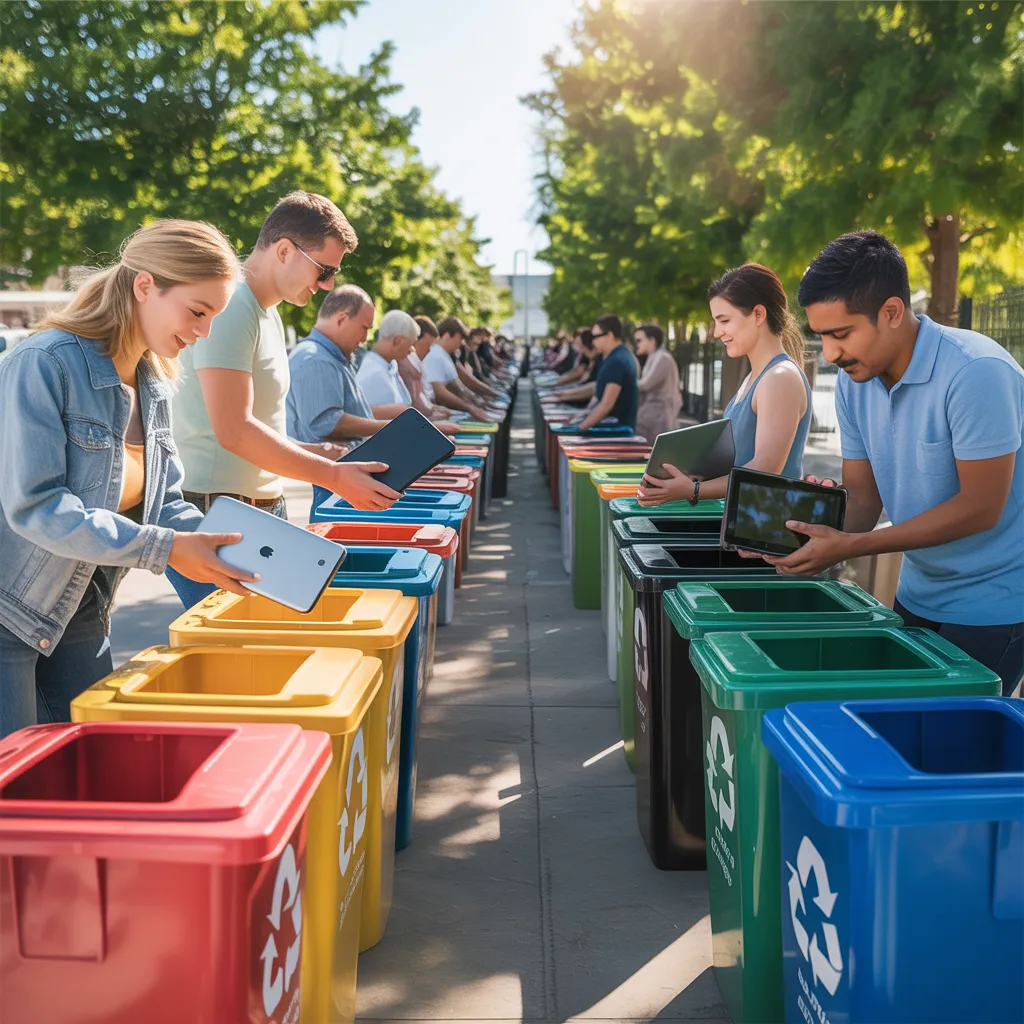
Why Electronic Waste Is Harmful to the Planet
Even though technology enriches contemporary living, electronic waste presents considerable environmental hazards. Disposed electronic equipment, often containing hazardous materials such as lead, mercury, and cadmium, can leach toxins into soil and groundwater, posing risks to human health and ecosystems. The swift progression of technology leads to increased consumer turnover of electronics, exacerbating the accumulation of electronic waste.
Landfills, already burdened with waste, struggle to accommodate the growing volumes of discarded gadgets. Incineration, another disposal method, releases harmful pollutants into the atmosphere, contributing to air quality degradation. Furthermore, inadequate recycling methods can result in the shipment of electronic waste to underdeveloped nations, where workers may break down equipment without proper protective measures, putting themselves at risk of exposure to hazardous materials. This ongoing cycle of carelessness and inadequate management emphasizes the pressing necessity for responsible recycling initiatives that can lessen the harmful consequences of e-waste on our world.
What Is E-Waste and Its Importance?
E-waste, or electronic waste, comprises obsolete electronic products including computers, smartphones, and televisions that are no longer functional or needed. This growing category of waste is significant owing to its accelerating volume, propelled by advances in technology and evolving consumer behaviors. As more devices become obsolete, the ecological consequences become more pronounced, with dangerous elements including lead, mercury, and cadmium threatening both ecosystems and public health.
The importance of addressing e-waste lies not only in mitigating these hazards but also in recognizing the valuable materials it contains. Precious metals and rare earth elements can be recovered and reused, reducing the need for mining and conserving natural resources. By understanding e-waste and its implications, individuals and organizations can make informed decisions about disposal and recycling, ultimately contributing to a more sustainable future. Effective handling of e-waste is vital for encouraging a circular economy and advancing environmental responsibility.
How E-Waste Recycling Works
Recycling e-waste involves a structured approach intended to extract beneficial components while minimizing environmental impact. At the outset, e-waste is collected and transported to purpose-built recycling plants. Once there, the devices undergo thorough sorting to distinguish harmful elements from reusable resources.
Following this, specialists break down the products, removing metals, plastics, and glass. This phase is essential, as it makes possible the retrieval of valuable metals like silver, gold, and copper, which may be utilized in new electronic products.
Subsequently, the separated materials are processed via sophisticated techniques, such as shredding and chemical treatments, to refine them for repurposing.
In the final step, the leftover hazardous waste is handled with responsibility, following environmental regulations. This systematic method not only conserves resources but also reduces the dangers associated with improper e-waste disposal, securing a more eco-conscious future for electronic consumption.
Why E-Waste Recycling Matters for You and Your Community
While many individuals may not realize it, the benefits of e-waste recycling go far beyond individual benefit and actively shape entire communities. By carefully processing electronic waste, individuals help foster a safer environment, minimizing harmful substances that can contaminate soil and water. This forward-thinking practice actively safeguards local ecosystems and promotes public health.
In addition, e-waste recycling promotes job creation within communities. Nearby recycling establishments regularly need employees for numerous tasks, spanning collection through processing, thereby providing employment opportunities to area workers. This not only strengthens the regional economy but also fosters community involvement in eco-friendly practices.
Furthermore, knowledge about e-waste recycling has the potential to generate learning opportunities, encouraging residents to make environmentally conscious decisions. By engaging with e-waste recycling programs, individuals nurture a culture of sustainability, inspiring others to join the movement. All things considered, the collective impact of these actions can result in a more strong and environmentally aware community.
How to Choose an E-Waste Recycling Service
Choosing the most suitable electronic waste recycling provider is crucial for guaranteeing that electronic waste is managed with responsibility and sustainability. Initially, individuals should verify the service's accreditations, such as e-Stewards or R2, which signify conformance to established benchmarks for safe recycling practices. Additionally, it is advisable to evaluate the company's credibility by reviewing feedback and obtaining referrals from reliable sources.
Moreover, openness in the recycling process is crucial. A trustworthy service should offer detailed insights about the way e-waste is handled and how the materials are utilized. Furthermore, evaluating the range of services offered can be beneficial; certain providers may offer collection services or present rewards for recycling.
Ultimately, learning about local regulations regarding e-waste disposal can additionally influence the selection process. By prioritizing these factors, residents can actively participate in efficient electronic waste handling alongside encouraging eco-friendly habits.
How You Can Take Part in E-Waste Recycling?
Participating in e-waste recycling can start at the local level, where local recycling facilities frequently offer essential services for Start here responsible disposal. Furthermore, joining community awareness campaigns can strengthen efforts to educate others about the importance of responsible e-waste management. These initiatives not only promote sustainability but also cultivate a collective sense of responsibility toward the environment.
Community Recycling Locations
A wide range of community recycling facilities fulfill a critical purpose in electronic waste recycling, supplying communities with reliable ways to manage electronic waste appropriately. These hubs welcome a range of digital devices, including used computers, handheld devices, and televisions, verifying that toxic materials are disposed of safely. Most stations have knowledgeable personnel who are able to assist individuals with correct disposal techniques, highlighting the value of recycling rather than landfilling. Moreover, numerous facilities provide organized drop-off opportunities or appointed collection periods, allowing residents to take part with ease. Through the use of these community services, community members advance a circular economy, decreasing environmental damage and advancing sustainable approaches. Working alongside these hubs encourages communities to fight e-waste pollution decisively.
Community Awareness Campaigns
Local organizations, schools, and businesses can partner to arrange initiatives that encourage e-waste collection drives. Volunteers can play a pivotal role in promoting knowledge, handing out educational content, and interacting with the surrounding community. As a result of these combined actions, local inhabitants gain greater awareness and encouragement to properly recycle their e-waste, ultimately contributing to a more sustainable future.
Questions We Often Receive
What Types of Electronics Can Be Recycled?
Numerous electronics are able to be recycled, including laptops, televisions, smartphones, printers, computers, and gaming consoles. Additionally, peripherals such as batteries, keyboards, and mice are equally appropriate for recycling, aiding in eco-friendly conservation initiatives.
Are There Fees Involved With E-Waste Recycling?
That's correct, e-waste recycling may involve fees, based on the provider. Some service centers apply costs for pickup or handling, while some providers provide no-cost solutions, typically funded by the proceeds from salvaged materials.
What Are the Benefits of E-Waste Recycling for Businesses?
Organizations can gain from e-waste recycling by minimizing disposal costs, improving their green reputation, complying with regulations, recovering valuable materials, and potentially generating revenue through resale, thereby fostering a more environmentally responsible business approach.
What Happens to Data on Recycled Devices?
Details from refurbished equipment is commonly irretrievably wiped or obliterated throughout the recycling process. This confirms sensitive information is kept safe, blocking unwanted intrusion while permitting components to be reused carefully and ethically in new products.
Is It Possible to Recycle Damaged Electronics?
Absolutely, damaged electronics can be recycled. A wide range of centers accept non-functioning devices, guaranteeing safe disposal and extraction of recoverable materials. This effort helps minimize harm to the environment while promoting sustainable recycling habits to manage electrical waste responsibly.